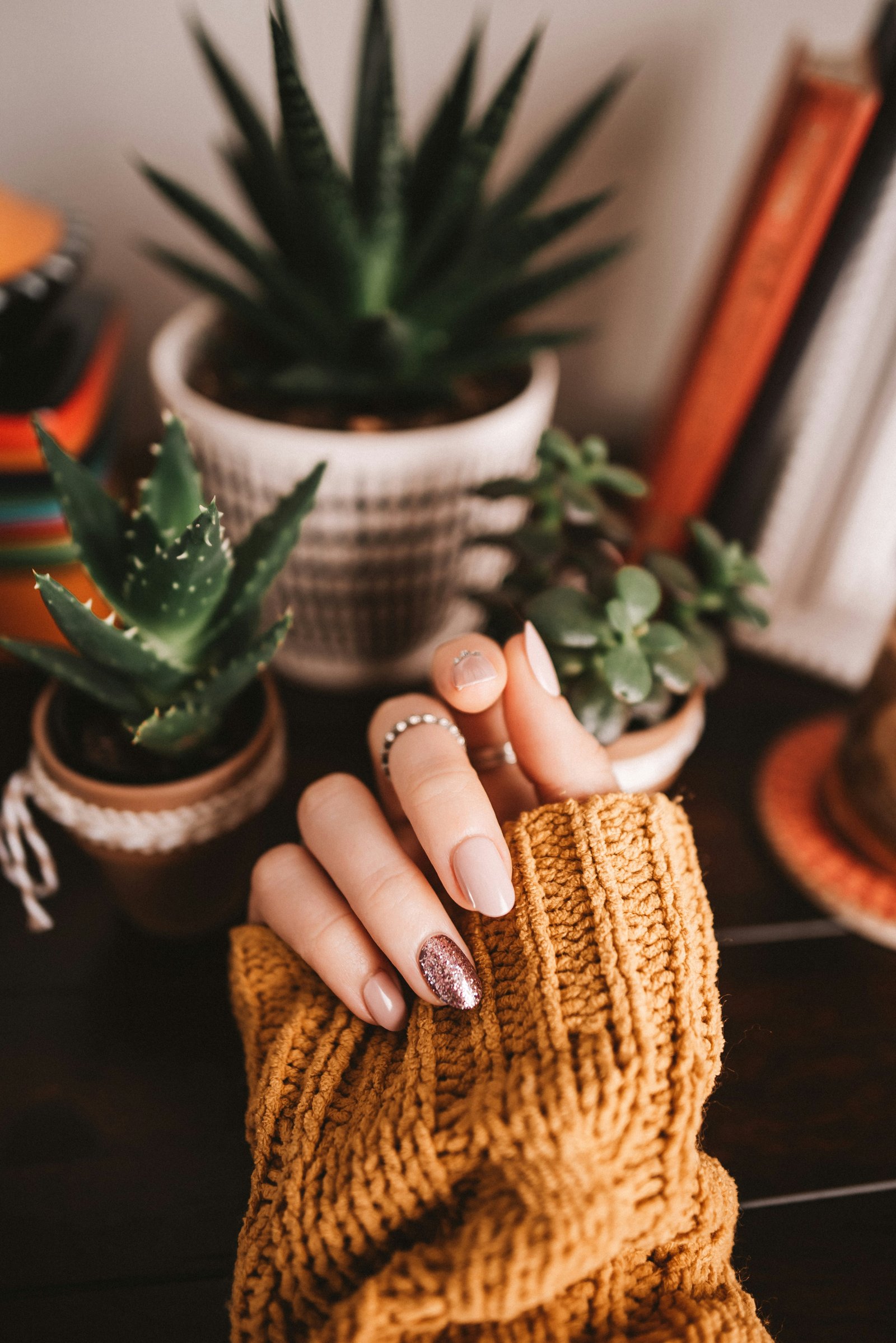
Most gel manicures look fresh for about two to three weeks — not because the color magically stops wearing, but because your nails grow and daily life slowly tests the seal at the edges. Understanding that timeline helps you maintain gel without peeling it off in frustration.
Why gel lasts longer than regular polish
Regular polish dries when solvents evaporate in the air. It sits on top of the nail and flexes with every keystroke and dish washed.
Gel polish is brushed on, then cured under an LED or UV lamp. The light triggers a chemical reaction that hardens the formula into a flexible plastic-like coating bonded to the nail plate. That bond is stronger than air-dried polish — which is why gel survives typing, showers, and routine handwork longer.
Stronger does not mean permanent. Your nail plate grows outward from the cuticle at roughly 2–3 mm per month, so a gap appears at the base. That is normal, not a sign of failure.
What “lifting” means
Lift is when the gel separates from the nail plate — usually at the tip or sidewall first. Once water, soap, or debris slips underneath, lift spreads.
Common causes:
- Mechanical stress — nails used as tools, impacts, picking
- Chemical exposure — cleaning products without gloves
- Dry or oily skin at the cuticle line — breaks the seal
- Prep or application issues — oils left on the plate, thick uncured layers
You cannot fix widespread lift at home without trapping moisture under the product. Early lifts are a sign to book a fill or removal — not to peel.
Habits that actually extend wear
Ranked by impact for most people:
- Cuticle oil daily — morning and night. Hydrated skin flexes less around the nail; oil maintains the junction where lift often starts.
- Gloves for wet work — dishes, bathroom cleaning, gardening. Hot water and detergents are hard on top coat and cuticles.
- Do not pick or peel — the fastest route to thinned nails. Trim a loose edge if it catches; book removal properly.
- Avoid using nails as tools — opening cans, scraping stickers, prying keys.
- Cap the free edge — if you maintain at home, wipe a tiny amount of clear top coat on the tip every few days (only if your tech recommends it for your formula).
Swimming and showering are fine with gel — rinse chlorine when you can and reapply oil after hands are fully dry.
Water, heat, and everyday wear
Gel holds up well to normal life, but water and heat test the seal at the free edge — where the nail tip meets the air.
Showers and hand washing — frequent wetting softens skin around the nail, not usually the gel itself. Pat dry and oil cuticles after prolonged water contact.
Pools and hot tubs — chlorine and heat can dry cuticles and weaken the skin junction where lift often starts. Rinse hands after swimming, dry thoroughly, and apply oil.
Humidity and heat — in warm, damp weather, nails and surrounding skin absorb moisture and swell slightly. When they shrink again, tiny gaps can open at the sidewall or tip. Daily oil and sealed free edges matter more in summer.
Pedicures — toe gel faces more abrasion from shoes and sandals. The big toe free edge chips first because it hits the ground hardest. Ask your technician to cap the tip; at home, avoid picking at rough edges — book a touch-up instead.
When to book your next visit
| Situation | What to do |
|---|---|
| Week 2, looks good, slight growth | Optional fill or wait |
| Visible gap at cuticle you dislike | Book refresh |
| Corner lift or catch on fabric | Book soon — do not peel |
| Cloudy spot or pain under nail | Book removal; see a doctor if pain or discoloration worsens |
A fill addresses growth at the base; full removal and redo is better if lift is widespread or you want a complete color change.
Gel vs regular polish — wear expectations
| Regular polish | Gel polish | |
|---|---|---|
| Dry time | Minutes (careful after) | Immediate after cure |
| Typical hand wear | 3–7 days | 14–21 days |
| Removal | Wipe with remover | Soak-off; see safe removal |
| Best for | Frequent color changes | Low-maintenance weeks |
What happens during application affects wear
Thin coats, proper curing, sealed free edges, and clean prep all matter — which is why professional application often outlasts at-home gel kits. If you want to understand each step, read what happens during a gel manicure. First time at a nail studio? Our beginner manicure walkthrough covers the full service from consultation to polish. When it is time to change color, see safe gel removal.
FAQ
Why does my gel only last one week? Look at picking habits, water exposure, and whether prep was rushed. Thin or damaged nail plates also hold product shorter. A structural base or builder gel can help — ask your technician.
Can I swim with gel nails? Yes. Rinse after pools, dry hands, oil cuticles. Prolonged water softens skin around the nail — not usually the gel itself if the seal is intact.
Does gel stop my nails from growing? No. Nails grow continuously. Gel moves with the plate until you remove it or the growth line bothers you enough to refresh.
Maintain your set with care
Bloom Nails & Spa focuses on meticulous prep and calm appointments. See manicure services or book a refresh.